We provide advanced skin, hair, and aesthetic, laser treatments with world-class technology, led by Dr. Mahendra Vaghasiya.

Psoriasis treatment focuses on controlling flare-ups, reducing inflammation, and improving the skin’s appearance. Psoriasis is a chronic autoimmune condition that causes red, scaly, and itchy patches on the skin. While it cannot be completely cured, effective treatments help manage symptoms and prevent worsening.
Options may include topical creams, oral medications, phototherapy, and advanced biologic treatments tailored to the severity of the condition. With proper care from a dermatologist, patients can experience long-term relief, improved comfort, and better quality of life.
Consult with Dr. Mahendra Vaghasiya, Dermatologist at Vaghasiya Skin Clinic Cosmetic Laser & Hair Transplant Centre, for expert psoriasis treatment. He provides personalized care with advanced therapies to reduce flare-ups, relieve discomfort, and help patients manage this chronic skin condition effectively.
“Soothing skin, restoring confidence.”
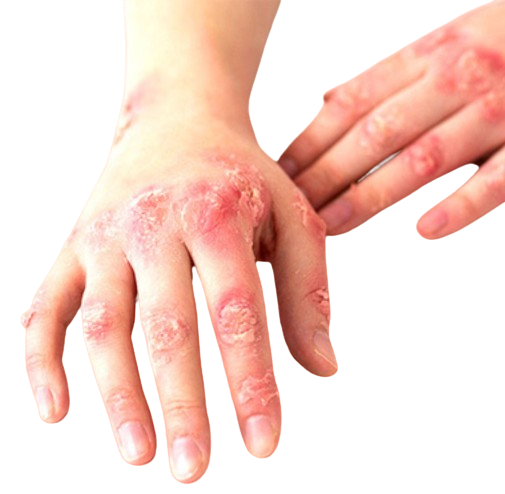
Book your appointment today for personalized treatment with Dr. Mahendra Vaghasiya.
Consult with Dr. Mahendra Vaghasiya for a personalized treatment plan tailored to your need.
According to treatment plan our therapist or doctor will carry out the procedures.
Explore clear answers to common questions about our treatments and care in this Q&A section.
Psoriasis is a chronic skin condition where the immune system speeds up skin cell growth, causing red, scaly, and itchy patches.
No, psoriasis is not contagious. You cannot catch it from someone else.
Triggers include stress, infections, cold weather, certain medications, alcohol, or skin injuries.
There is no permanent cure, but treatments can effectively control symptoms and reduce flare-ups.
Treatments include topical creams, oral medications, phototherapy, and biologic injections, depending on the severity.
Your dermatologist will recommend treatment based on the type, severity, and location of your psoriasis, as well as your overall health.
Some medications may cause side effects, but your doctor will monitor you closely and adjust the treatment plan if needed.
Psoriasis is a lifelong condition, so flare-ups may return, but with proper care and ongoing treatment, they can be managed.
Yes. Maintaining a healthy diet, reducing stress, avoiding triggers, moisturizing regularly, and protecting your skin can help
Regular follow-ups are important. The frequency depends on your treatment plan and how well your symptoms are controlled.
If you wants to know more about any treatments, talk with our counselor for any questions or guidance before or after your treatment.

We provide advanced skin, hair, and aesthetic, laser treatments with world-class technology, led by Dr. Mahendra Vaghasiya.
Excellent Business Hub, 810 – 814, opp. SRSS Venus Hospital Road, Lal Darwaja, Patel Nagar, Surat, Gujarat 395008
Monday – Saturday: 10am – 7pm
Sunday: Closed